


I have long contemplated the dictum: “War Is A Moral Argument”.
I will yet write at greater length on the topic.
Meanwhile I have continued to carefully observe the twists and turns of the Ukraine, Iran, and Yemen wars over the past several years.
I believe and will yet make a more comprehensive case that the “moral argument” aspect of these wars has been both prominent and decisive.
About a month ago, I commented briefly on this topic, and summarized some of Carl von Clausewitz’s views of the matter:
There has been much confusion regarding my repeated argument that "war is a moral argument".
In order to clarify my meaning, I will summarize von Clausewitz's arguments on this point:
Clausewitz insists that “moral forces” (moralische Kräfte) — courage, morale, the spirit of the army, the commander’s resolution, public opinion, the impression of victory or defeat — are among the most important elements in war. They “constitute the spirit that permeates war as a whole” and fuse completely with physical forces; the two cannot be separated “like a metal alloy by a chemical process.”
He illustrates the relationship with a metaphor: the physical factors are “almost no more than the wooden handle, whilst the moral are the noble metal, the real bright-polished weapon.”
In combat this fusion is decisive. Every engagement is “the bloody and destructive measuring of the strength of forces, physical and moral.” The side that retains the greater sum of both at the end wins.
Frequently the moral collapse — loss of order, confidence, cohesion, and the will to continue — occurs first and then accelerates the physical defeat.
Victory is therefore as much the killing of the enemy’s spirit as the killing of his soldiers.

Granted, the “moral argument” does not operate independent of the physical factors of war: firepower, logistics, strategic depth, etc. But I submit it animates and inspires all the other factors.
It inspires and empowers bold and decisive actions under pressure.
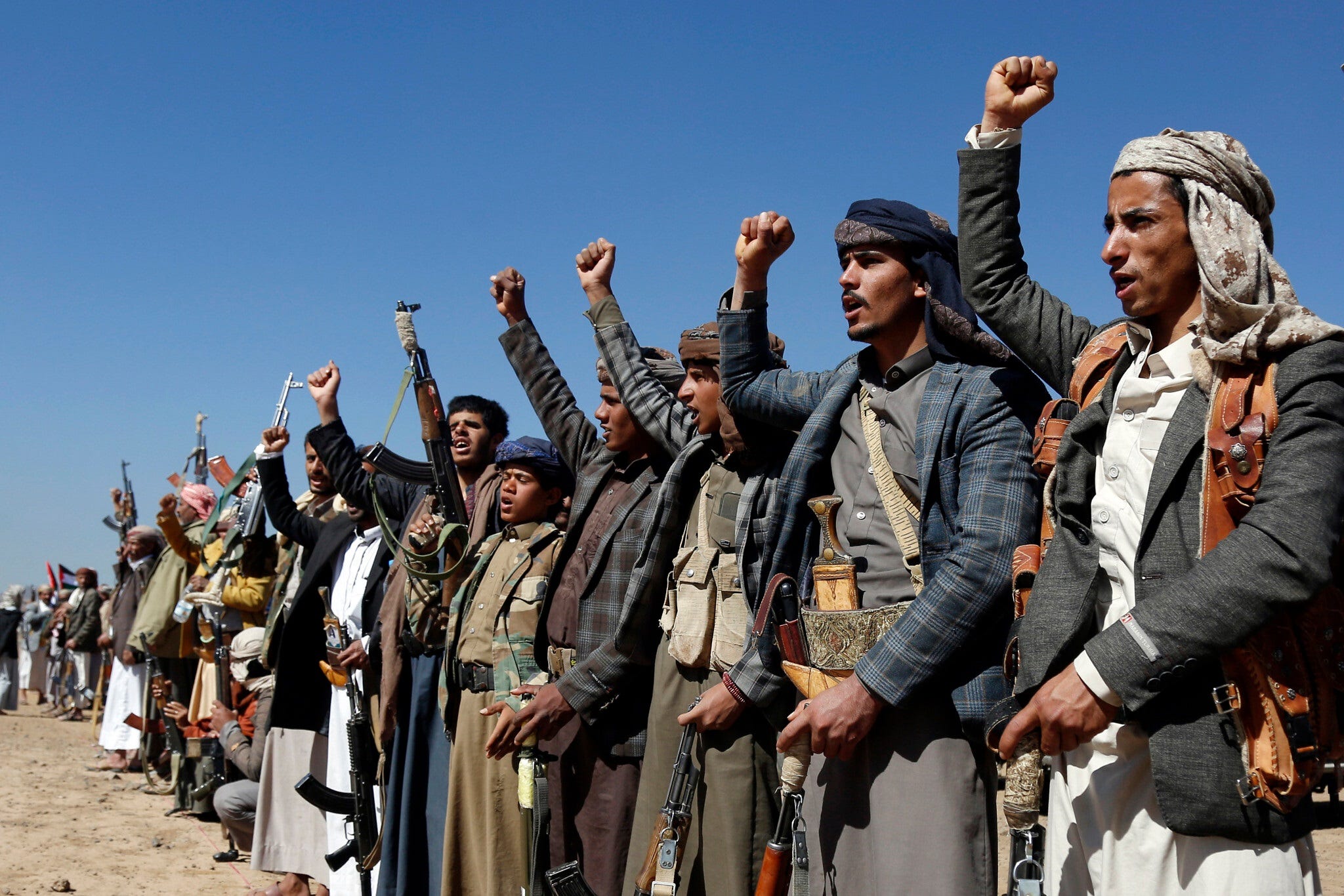
We have seen most recently a fascinating development out of Yemen.
The Saudi-salaried Yemeni harlots in Aden posted on social media a brazen threat to begin attacking — using the Royal Saudi Air Force — any significant gathering of civilians in the Ansar Allah-controlled regions of Yemen.
This was a grave and inexplicable strategic blunder.
The Sana’a government posted this response:
The Yemeni Armed Forces affirm that the Saudi enemy’s threat to target Yemeni tribes will not go unpunished, and should it carry out this threat, the consequences will be catastrophic and unforeseen.
We will resort to major options that we had not wished to take, and we will hold it responsible for the resulting repercussions.
The Yemeni Armed Forces will continue their operations deep inside Saudi in defense of our country and our people, and they will persist in maintaining the equation of “a blockade for a blockade”, and “an escalation for an escalation”, as well as targeting Saudi enemy buildups until the aggression stops and the blockade on our country is lifted.
It was a dominating demonstration of the power of moral rhetoric.
It was sufficient to bring forth a prompt and penitent retraction of the original statement of Riyadh/Aden intent.
Ansar Allah understands the profound importance of the moral argument inherent in war, and they excel in the debate.
They have utterly humiliated the Saudis in both the physical and moral components of war. And no token assistance from pretended Saudi allies is going to alter the calculus and consequences of their inevitable defeat.
We may very well be witnessing the beginning of the end of the reign of the House of Saud.
The entire balance of power in West Asia is being radically transformed before our eyes.
FYI: Over the life of this blog, several generous people have honored me with voluntary blog subscriptions and tips. But I have never required a paid subscription to read my stuff. And I never will. Everyone will always be able to read everything I write.
That said, I earmark all donations for the Schryver Family Road Trip Fund. You have thereby helped me, a few times each year, fill up both tanks on my 1997 Ford F-350, pay for two hotel nights + a pizza for the boys, and a take out dinner for me and my wife — for which I express my genuine gratitude. I hope my writing has been informative in some small manner and aided you in your quest to understand our crazy world a little better.
— Will Schryver